


Silkie vs Cochin
Both are fluffy, gentle, broody ornamental breeds. Silkies are smaller and unique with black skin; Cochins are larger feather-footed teddy bears.
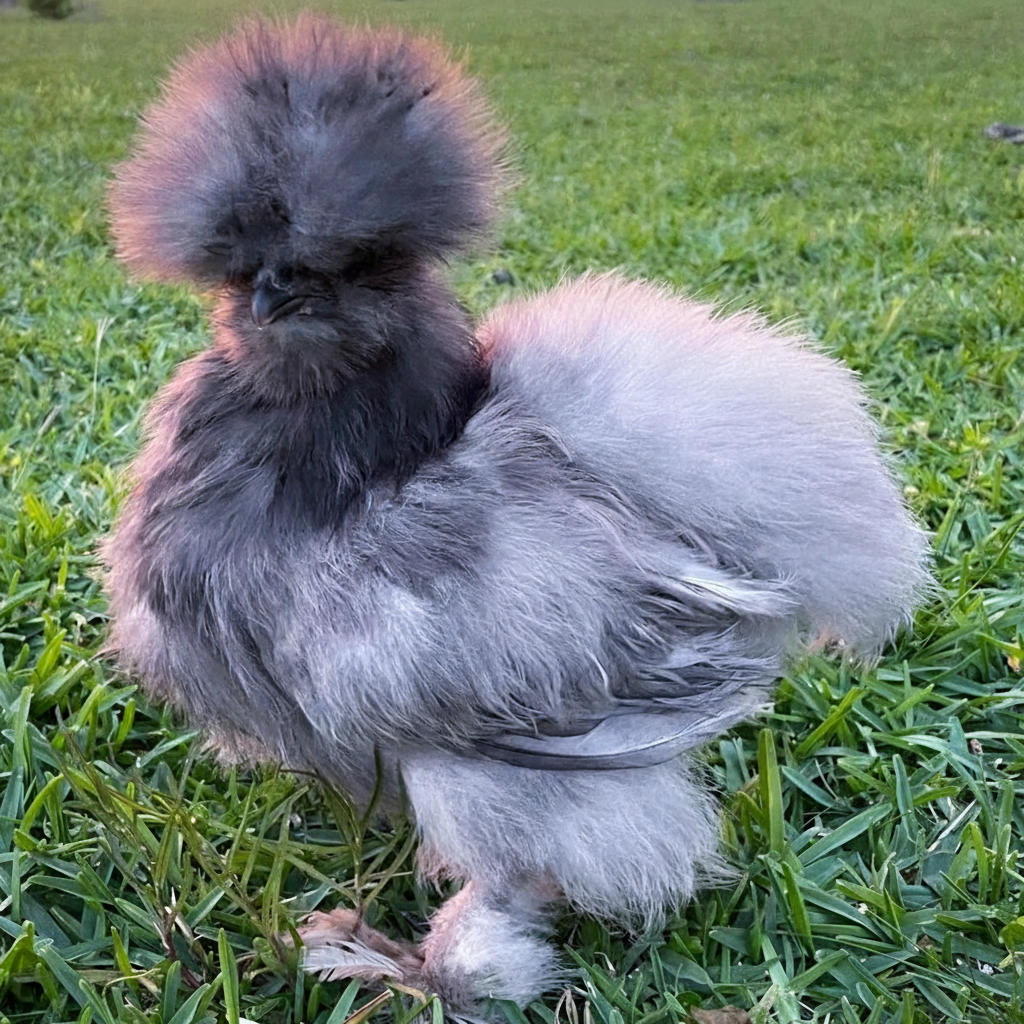
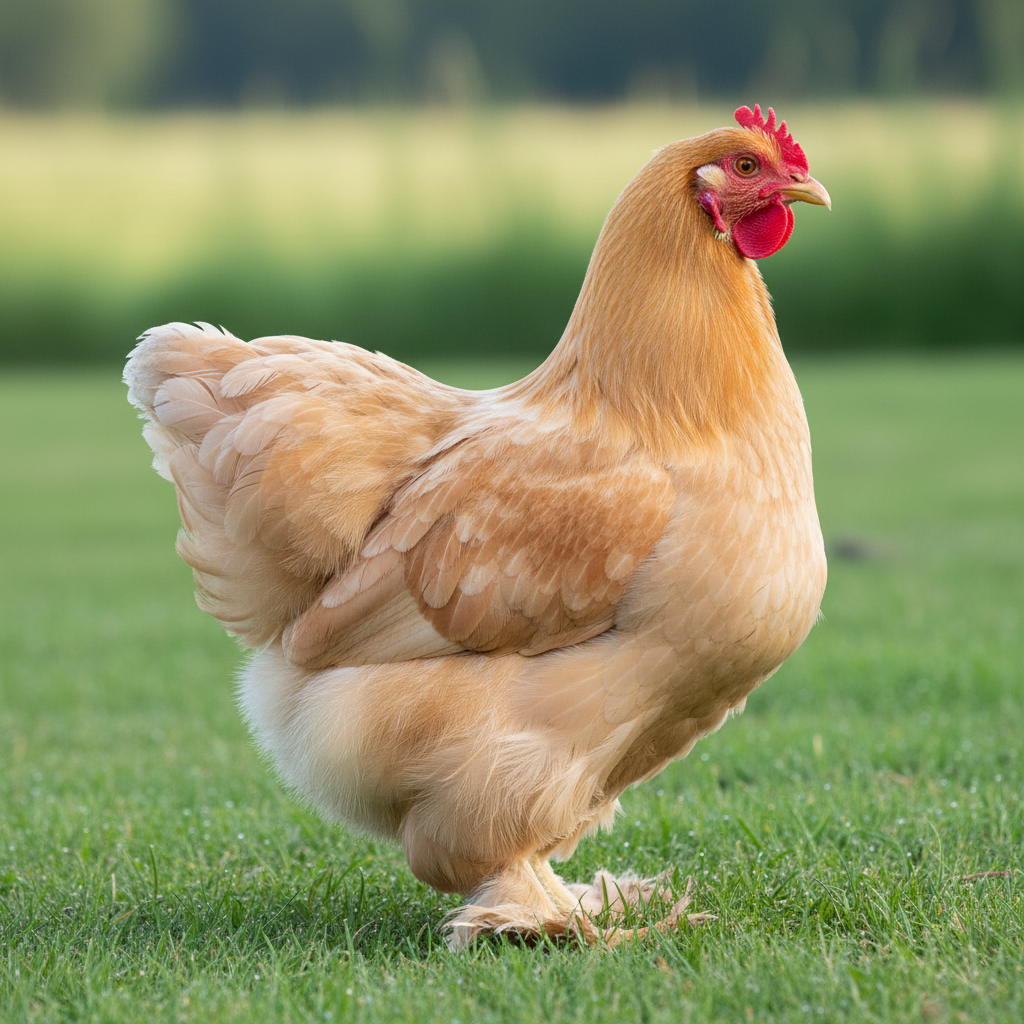
Side-by-side
| Trait | Silkie | Cochin |
|---|---|---|
| Purpose | ornamental | ornamental |
| Eggs / year | 120 | 150 |
| Egg color | cream | brown |
| Egg size | small | medium |
| Temperament | gentle, broody, sweet | calm, cuddly, broody |
| Size | bantam | jumbo |
| Cold-hardy | No | Yes |
| Heat-hardy | Yes | No |
| Broody | Yes | Yes |
| Beginner-friendly | Yes | Yes |
| Noise level | quiet | quiet |
Pick Silkie if you…
Want a tiny, ornamental, ultra-broody pet hen, perfect for kids and small yards.
Pick Cochin if you…
Want a big, cold-hardy, fluffy lap chicken who lays slightly more.
Still can't decide?
Answer 6 quick questions and our AI matches you to the right breed for your yard, climate, and goals.
Take the Breed Matcher quizFrequently asked questions
Do Silkies and Cochins lay many eggs?
No. Silkies lay 100-120 small cream eggs/year; Cochins lay 150-180 medium brown eggs/year. Both go broody constantly.
Which is better for cold climates?
Cochin. Their dense feathering and bulk handle subzero winters better than Silkies.
More breed comparisons
Silkie or Cochin, which one is right for you?
Silkies and Cochins are both famous for being gentle, fluffy and broody. People often put them in the same box. But they differ a lot in size, care and how they handle the weather. The Silkie is small, with hair-like feathers that cannot shed rain. The Cochin comes in a large standard size and a bantam size, both covered in thick, soft feathers right down to the toes.
Which wins by goal
- Eggs. Neither is a strong layer. Cochins lay larger eggs. Silkies lay small cream eggs and stop often to go broody.
- Temperament. Both are calm and sweet. Silkies may be a bit more people-oriented.
- Kids. Silkies are light and easy for small hands. Standard Cochins are big and heavy for little kids, while bantam Cochins are a good middle option.
- Cold. Cochins handle dry cold well. Silkies struggle if they get wet, since their feathers do not repel water.
- Heat. Both are fluffy and need shade. Large Cochins struggle most in heat.
- Meat. Neither is a practical meat bird. Silkies have dark skin and bones, which some cuisines value.
- Noise. Both are among the quieter breeds.
Can they live together?
Yes, and they usually do very well. Both are low in the pecking order and rarely bully. The bigger issue is mixing them with bossier breeds, which may pick on both, especially the Silkies. A flock of Silkies and Cochins together is a calm, quiet group. Just know that you may end up with several broody hens at the same time, which can leave you short on eggs and nest boxes.
What usually decides it
Your weather. If you get a lot of rain or wet snow, Silkies need a covered run and a dry place to shelter. Cochins handle damp better, though their feathered feet can collect mud.
Your space. Silkies and bantam Cochins fit small yards. Standard Cochins are large birds that need full-size coop space.
Your plans to hatch. If you want a broody hen to hatch other birds' eggs, Silkies are one of the most dependable sitters there is. Cochins are also great mothers. Learn more about managing them in the family breeds guide.
Common questions about Silkies vs Cochins
Can Silkies fly?
Not really. Their fluffy feathers do not support flight, so a low fence is enough. That also makes them easy prey, so a secure run matters.
Are Cochins good layers?
They are modest layers, with fewer eggs in winter and breaks when broody.
Do Silkies need special care?
Keep them dry, check their crest for mites and lice, and watch their feet for mud and ice balls.
