


Leghorn vs Rhode Island Red
Leghorns lay more eggs (280-320 white) and eat less feed. RIRs lay slightly fewer but larger brown eggs and are friendlier.
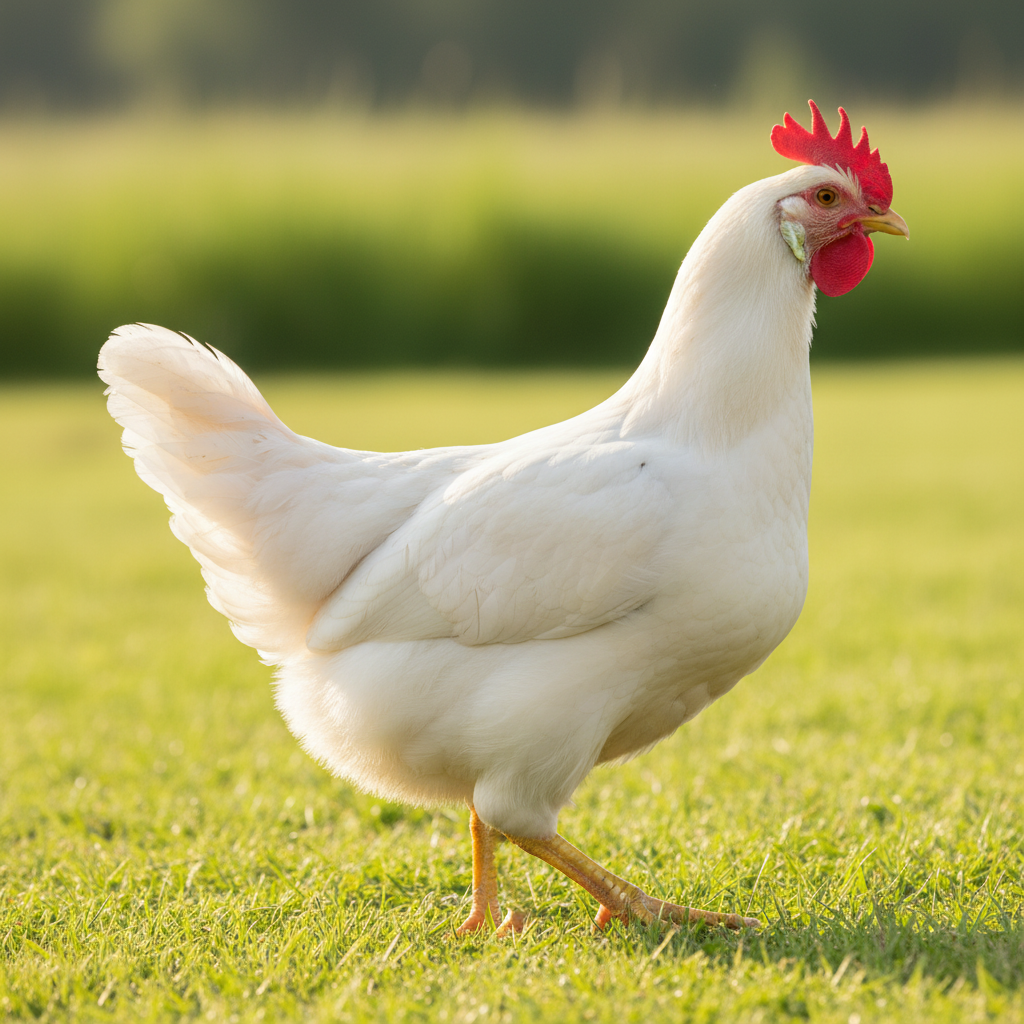
Leghorn
World’s top white-egg layer.
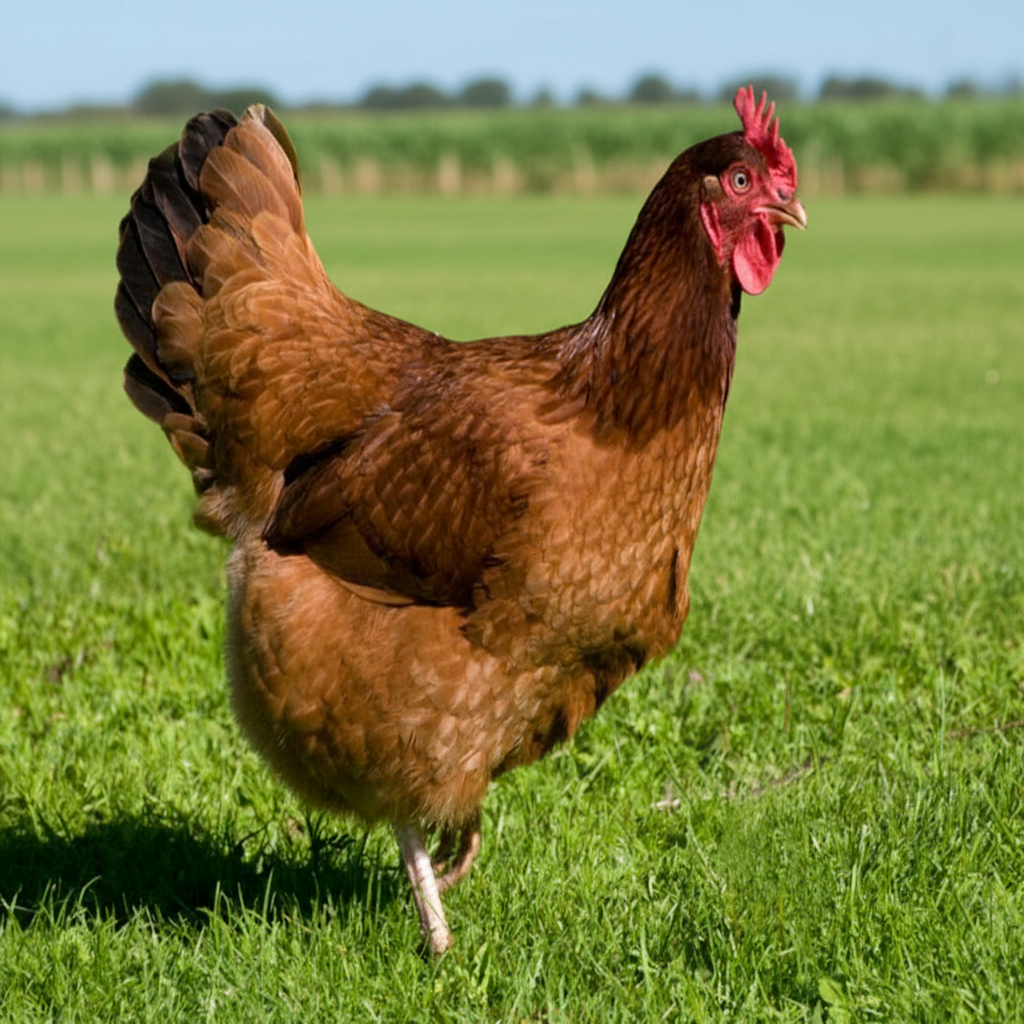
Rhode Island Red
Iconic American dual-purpose hen, brown egg machine.
Side-by-side
| Trait | Leghorn | Rhode Island Red |
|---|---|---|
| Purpose | egg | dual |
| Eggs / year | 280 | 260 |
| Egg color | white | brown |
| Egg size | large | large |
| Temperament | flighty, active, alert | docile, friendly, hardy |
| Size | medium | large |
| Cold-hardy | Yes | Yes |
| Heat-hardy | Yes | Yes |
| Broody | No | No |
| Beginner-friendly | No | Yes |
| Noise level | loud | moderate |
Pick Leghorn if you…
Want maximum egg output on minimum feed and don't care about temperament.
Pick Rhode Island Red if you…
Want strong production AND a friendlier dual-purpose bird.
Still can't decide?
Answer 6 quick questions and our AI matches you to the right breed for your yard, climate, and goals.
Take the Breed Matcher quizFrequently asked questions
Which is more efficient?
Leghorn, they convert feed to eggs more efficiently than almost any breed and lay 280-320 large white eggs per year.
Are Leghorns friendly?
Not particularly. They're flighty, loud, and skittish. RIRs are calmer and tolerate handling better.
More breed comparisons
Leghorn or Rhode Island Red, which should you keep?
These are two of the hardest-working layers you can get, but they work in very different ways. The Leghorn is a light, quick Mediterranean bird that lays large white eggs and burns little feed doing it. The Rhode Island Red is a sturdy American dual-purpose bird that lays brown eggs and shrugs off rough weather.
Pick by goal
- Eggs. Both are excellent. Leghorns are among the most efficient layers of any breed. Reds are close behind, with brown shells.
- Temperament. Reds are calmer and easier to handle. Leghorns are flighty, alert and rarely want to be held.
- Kids. Rhode Island Red hens are the better choice for kids who want to pet their birds.
- Cold. Reds handle cold better. The Leghorn's big single comb is prone to frostbite.
- Heat. Leghorns are built for heat, with a light body and big comb that sheds warmth.
- Meat. Reds are heavier and useful as a table bird. Leghorns are too light to be worth it.
- Noise. Leghorns tend to be louder and more excitable. Reds are moderate.
Keeping them in one flock
They can share a coop, but expect some tension. Both are confident birds. Leghorns are quick and tend to avoid fights by running, while Reds hold their ground. Give them plenty of space, a covered run or tall fence for the Leghorns, which fly well, and more than one feeder. The upside is a carton of white and brown eggs that makes it easy to see who is laying.
What usually decides it
Your winters. In a cold climate, the Leghorn's comb needs extra care and a very dry coop. The Red is the easier keep.
Your fence height. Leghorns fly. If you free-range near a garden or neighbors, they may go where you do not want them. Reds stay put more.
How you feel about handling. If you want birds that tolerate being picked up, go Red. If you are happy watching from a distance and collecting eggs, Leghorns are rewarding and low-cost to feed.
See how each fits your yard with the egg predictor.
Common questions about Leghorns vs Rhode Island Reds
Do Leghorns lay more eggs than Rhode Island Reds?
Leghorns often lay slightly more, and eat a bit less to do it. Both are strong layers.
Are Leghorns good for beginners?
They are hardy and easy to feed, but their flighty nature can frustrate new keepers who want friendly birds.
Can Leghorns live in cold climates?
Yes, with a dry, well-ventilated coop. Watch their combs closely in very cold weather.
