

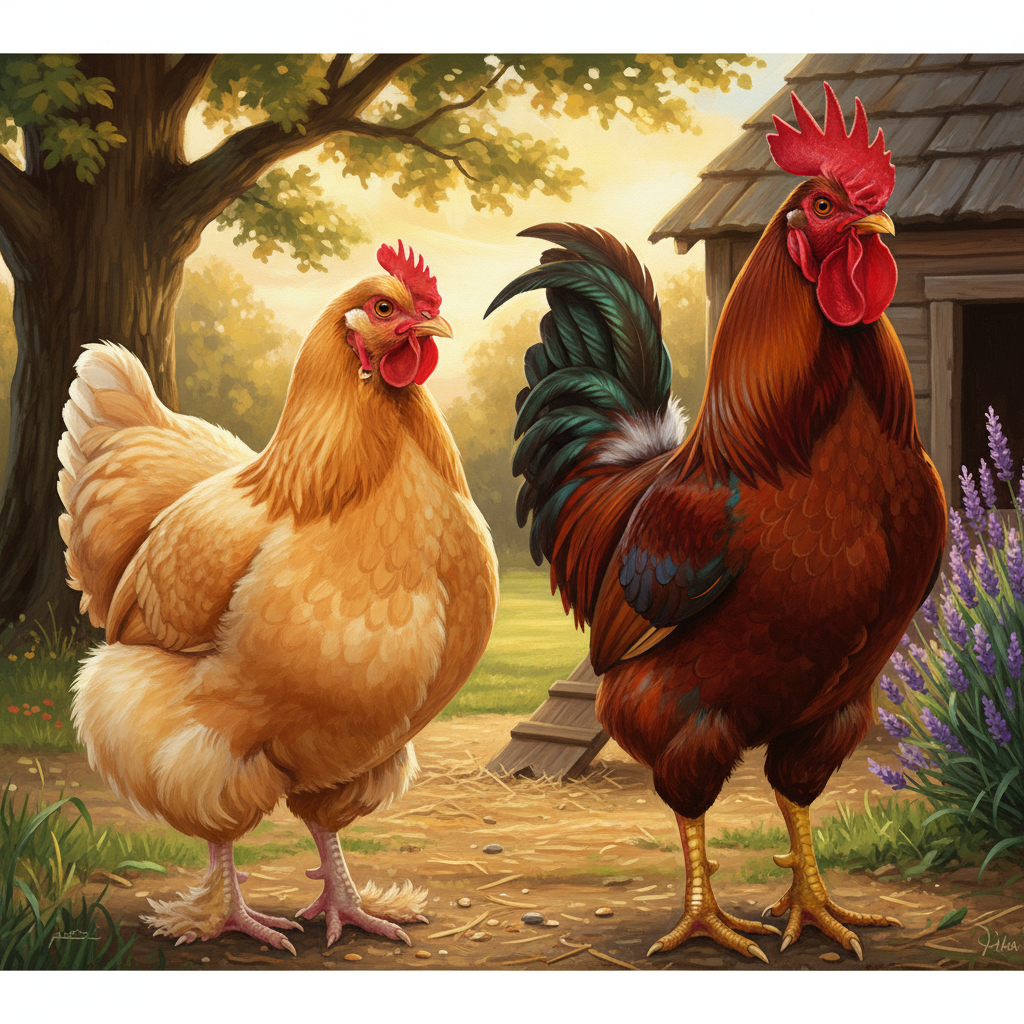
buff orpington vs Rhode Island Red
Both are beginner-friendly brown-egg layers, but Rhode Island Reds out-lay Orpingtons by 50+ eggs a year while Orpingtons are calmer and more lap-friendly.
buff orpington
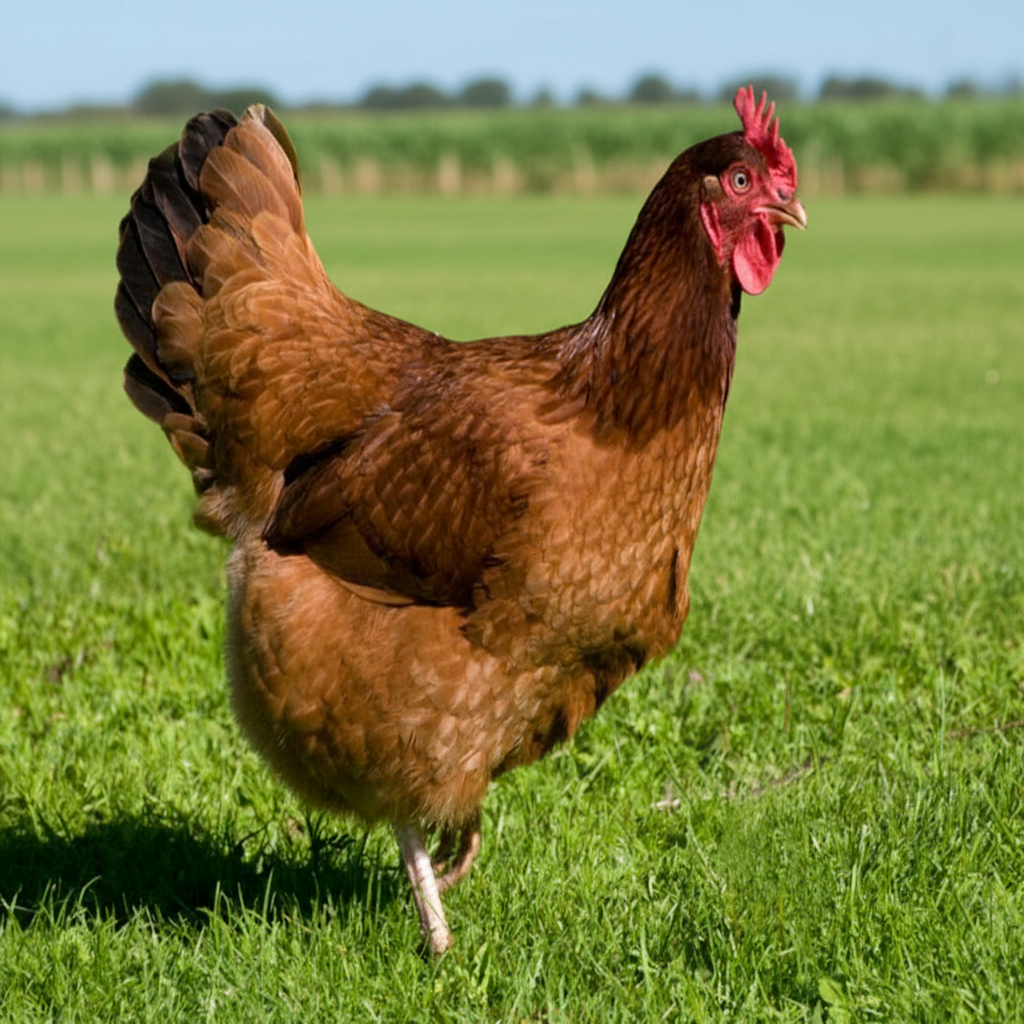
Rhode Island Red
Iconic American dual-purpose hen, brown egg machine.
Side-by-side
| Trait | buff orpington | Rhode Island Red |
|---|---|---|
| Purpose | - | dual |
| Eggs / year | - | 260 |
| Egg color | - | brown |
| Egg size | - | large |
| Temperament | - | docile, friendly, hardy |
| Size | - | large |
| Cold-hardy | - | Yes |
| Heat-hardy | - | Yes |
| Broody | - | No |
| Beginner-friendly | - | Yes |
| Noise level | - | moderate |
Pick buff orpington if you…
Want a cuddly, broody, family-friendly hen who handles cold beautifully.
Pick Rhode Island Red if you…
Want maximum brown eggs (250-300/year) from a tough, low-maintenance bird.
Still can't decide?
Answer 6 quick questions and our AI matches you to the right breed for your yard, climate, and goals.
Take the Breed Matcher quizFrequently asked questions
Which lays more eggs, Buff Orpington or Rhode Island Red?
Rhode Island Red, 250-300 brown eggs per year vs the Orpington's 180-220.
Which is more docile?
Buff Orpington. They're famously calm, broody, and great with kids. RIR hens are friendly but more assertive.
More breed comparisons
Buff Orpington or Rhode Island Red, which fits you?
These two are among the most popular backyard breeds in America, and for good reason. Both are hardy, brown egg layers that suit beginners. But they feel very different to live with. The Buff Orpington is the soft, golden lap chicken. The Rhode Island Red is the tough, busy worker.
Pick by your main goal
- Eggs. The Rhode Island Red usually wins. It tends to lay more eggs over a year and is less likely to go broody.
- Temperament. The Buff Orpington is calmer and more likely to enjoy being picked up. Reds are friendly enough but more independent.
- Kids. Orpington. Its patience makes it a favorite for families.
- Cold climate. Both do well. The Orpington's thick, fluffy feathers help in deep cold.
- Hot climate. The Red copes with heat a bit better thanks to its tighter feathering.
- Meat. The Orpington is heavier and more filling as a table bird, though both are dual-purpose.
- Noise. Both hens are moderate. Reds can be a little more vocal, and Red roosters are known for being pushy.
Raising them together
They can share a coop well, but expect the Reds to take the top of the pecking order. Orpingtons are so mellow that they usually accept it without much fighting. Problems come when space is tight. A crowded Red may start picking on the gentler Orpingtons. Give them room and two feeders, and the mix works nicely. You also get two easy-to-tell-apart colors in the yard, golden and deep red.
The deciding factors
Broodiness is often the deal breaker. Buff Orpingtons go broody fairly often. If you want a hen to hatch chicks for you, that is a plus. If you just want eggs, it means weeks when a hen stops laying and guards her nest.
Rooster plans matter too. If you might keep a rooster, an Orpington rooster is usually far easier to live with than a Red rooster, which can be aggressive toward people.
Your handling style is the last one. If you want birds that follow you around and sit in your lap, go Orpington. If you want birds that mostly look after themselves and fill the egg basket, go Red.
Common questions about Buff Orpingtons vs Rhode Island Reds
Which lays more eggs, Buff Orpington or Rhode Island Red?
The Rhode Island Red usually lays more, partly because it goes broody less often.
Are Rhode Island Reds mean?
Hens are usually fine and friendly. Roosters have a reputation for being aggressive, though individuals vary.
Can Buff Orpingtons handle hot weather?
They can, but their fluffy feathers make heat harder. Give them good shade and plenty of water.
