

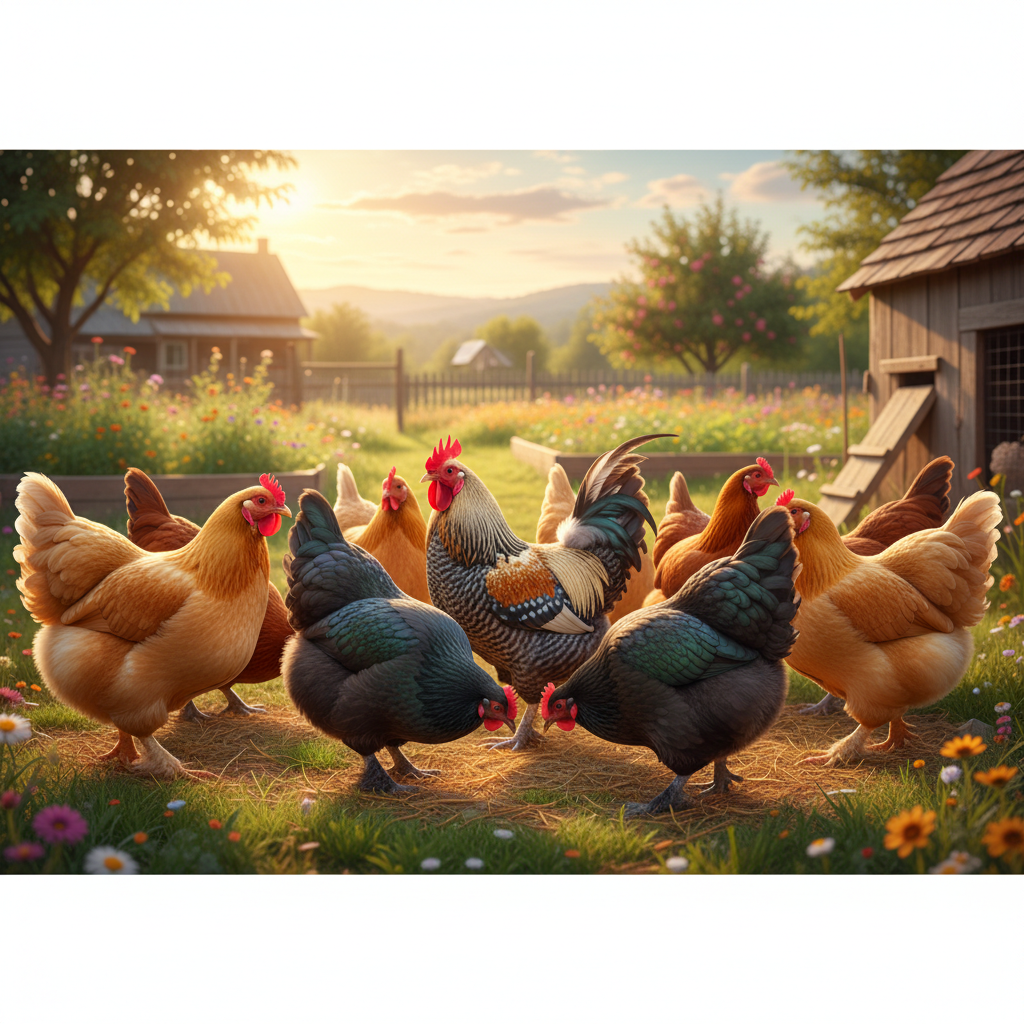
Best Dual-Purpose Chicken Breeds (Eggs and Meat)
Dual-purpose breeds give you steady eggs and enough body weight to harvest cockerels and spent hens for the table. These 10 are the classic homestead picks.
Not sure which breed fits you?
Answer 6 quick questions and our AI matches you to ideal breeds.
Take the Breed Matcher quizWhat we looked for
- 200+ eggs per year
- Hen weight 6 lbs+, rooster 8 lbs+
- Hardy across climates
- Heritage breed (will breed true)
The ranked picks
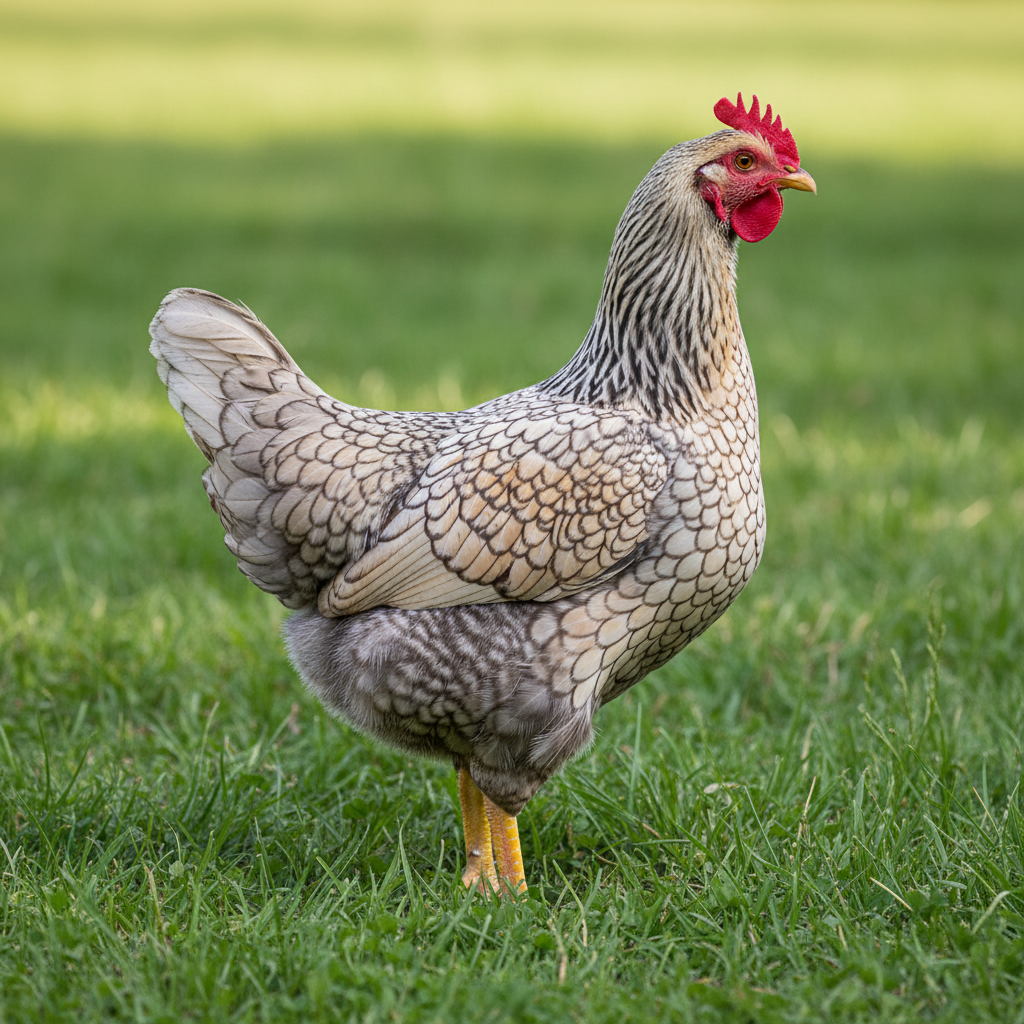
Plymouth Rock
The gold-standard homestead bird, 200+ eggs and 7-8 lb roosters.
Read full Plymouth Rock breed profile →
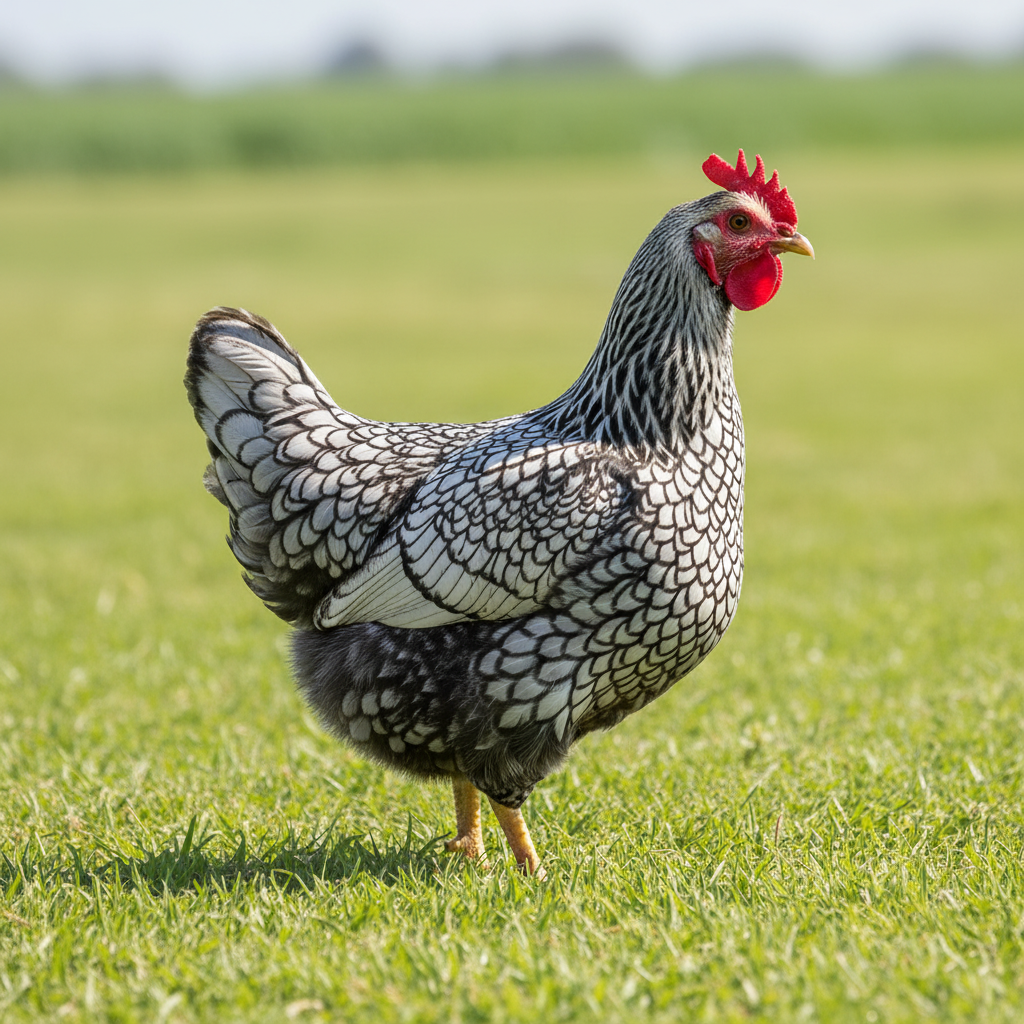
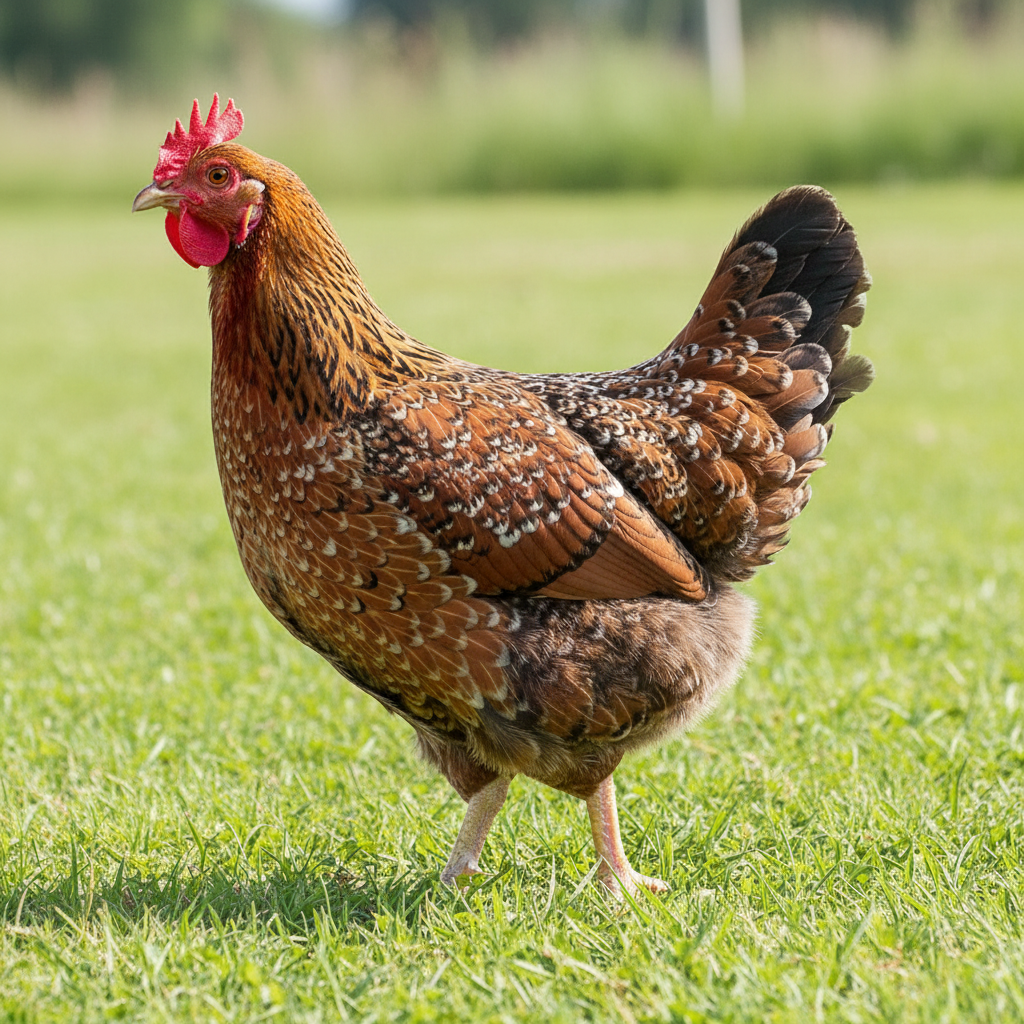
Sussex
Excellent dual-purpose Brit breed, Speckled Sussex is the classic.
Read full Sussex breed profile →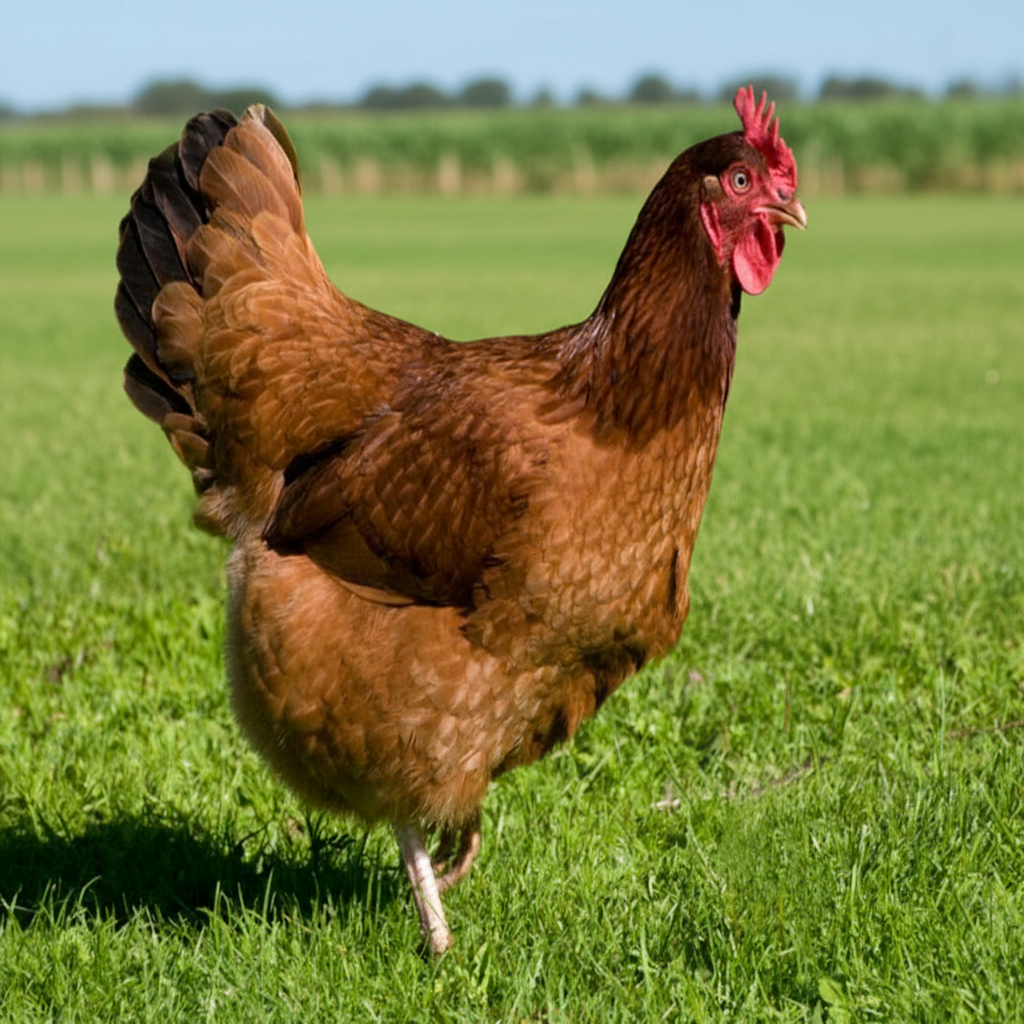
Buff Orpington
Fluffy plumage hides a substantial body. Good layers too.
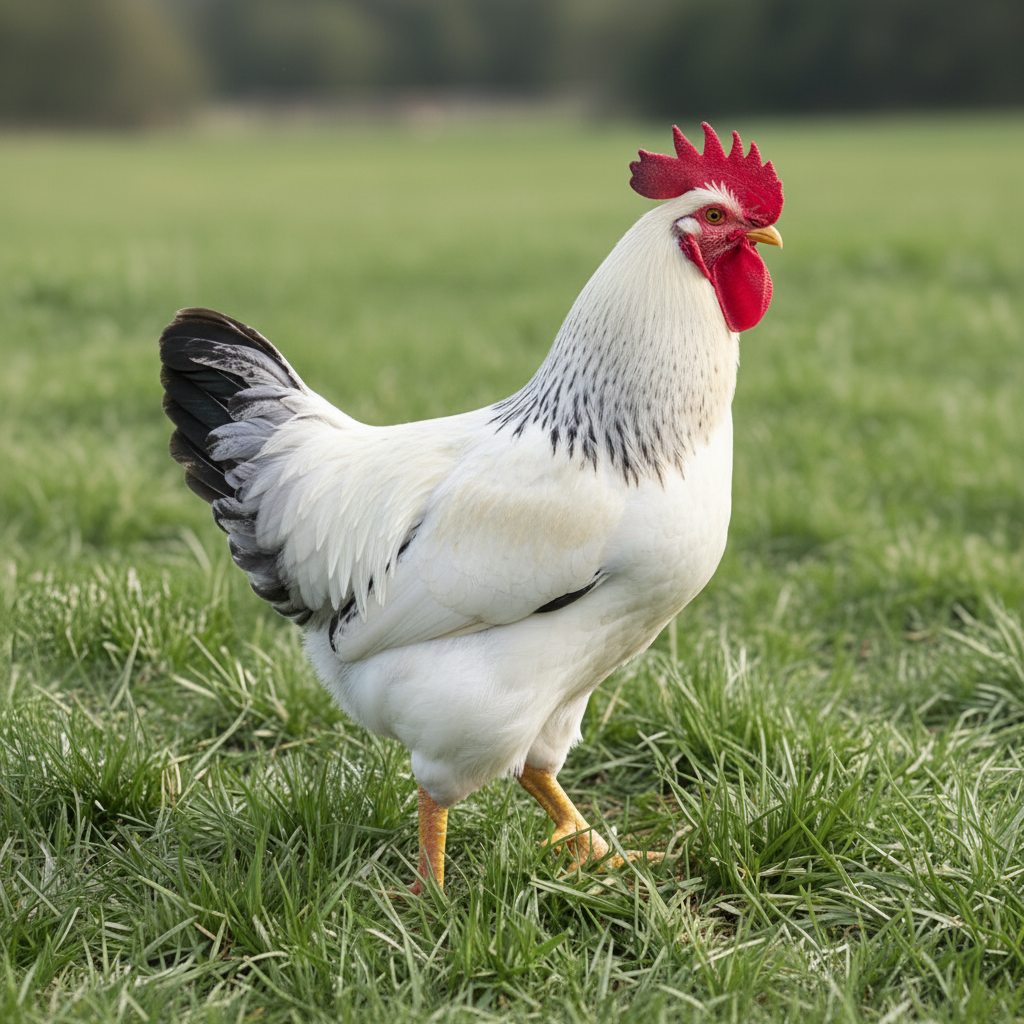
Delaware
Bred for broiler crosses, fast-growing for a heritage breed.
Read full Delaware breed profile →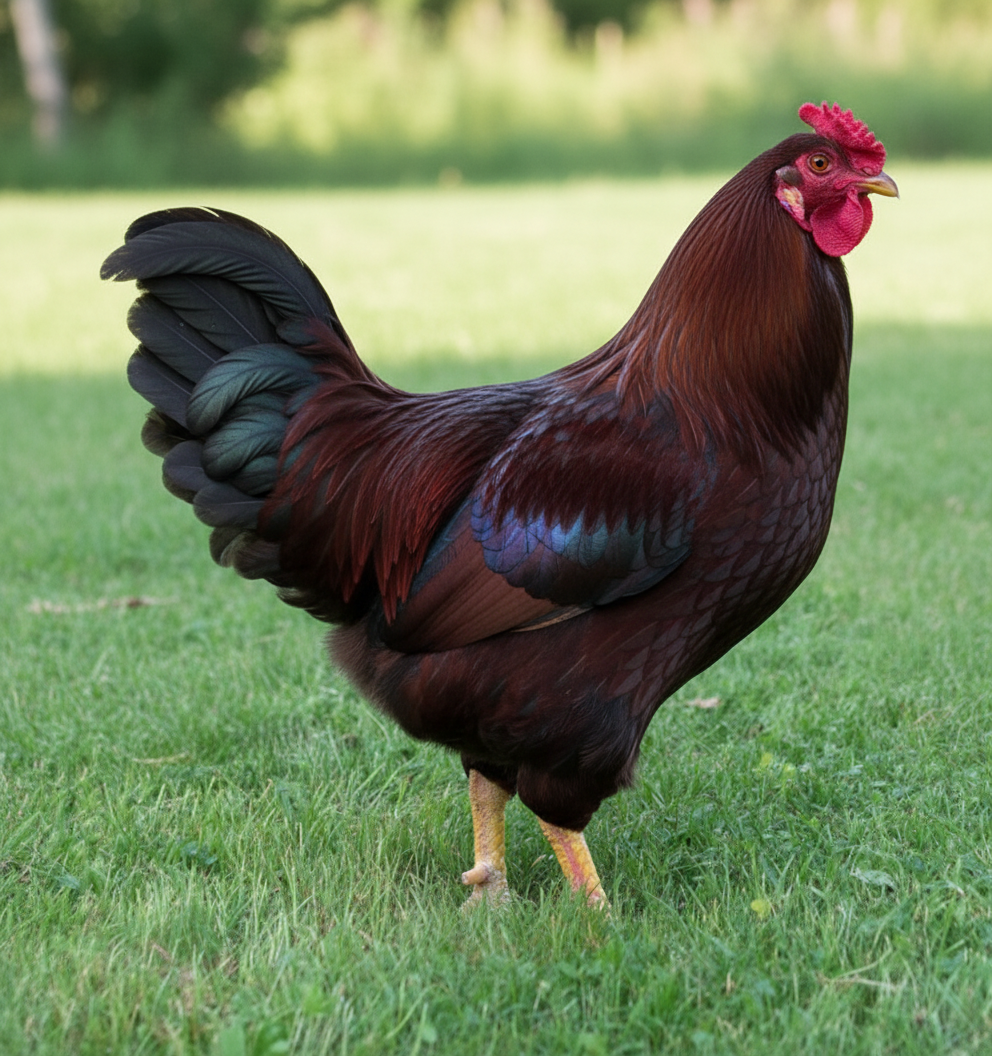
Buckeye
American heritage breed with excellent meat conformation and steady laying.
Read full Buckeye breed profile →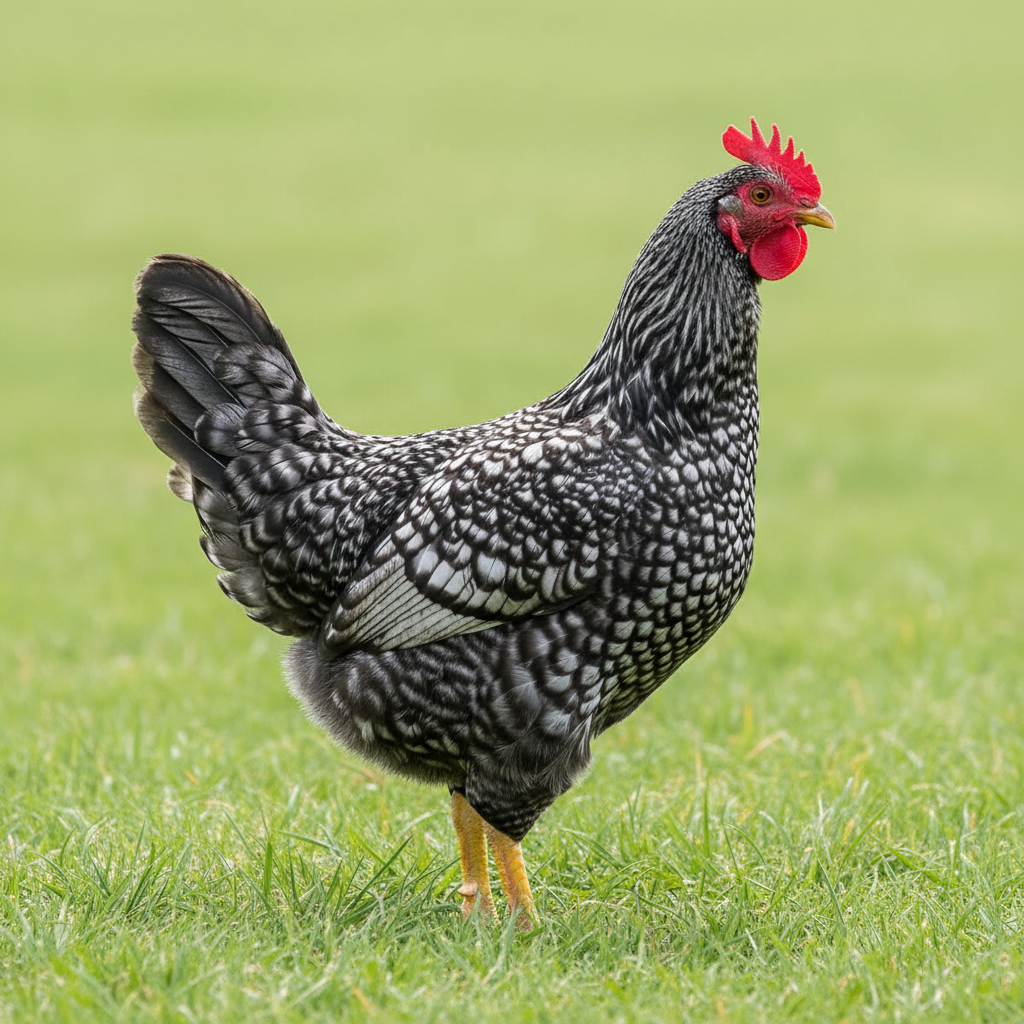
Dominique
America's oldest breed. Smaller body but historic dual-purpose use.
Read full Dominique breed profile →New Hampshire
Faster-growing cousin of the Rhode Island Red. Excellent dual-purpose.
Frequently asked questions
What's a dual-purpose chicken breed?
A breed bred to provide both reliable eggs AND enough body weight to be worth processing for meat. Most heritage American and British breeds qualify.
Are dual-purpose chickens worth it?
Yes for homesteads, you get eggs from the hens and meat from spent hens and surplus cockerels. Less efficient than specialized layers or broilers, but more sustainable.
Which dual-purpose breed has the best meat?
Buckeye and Delaware tend to produce the meatiest carcasses among heritage dual-purpose breeds.
More breed roundups
Picking a dual-purpose breed for eggs and meat
Dual-purpose breeds are the classic homestead chicken. The hens lay a solid number of eggs, and extra roosters or older birds make a decent table bird. They will not match a production hybrid on eggs or a fast meat bird on growth, but they do both jobs well enough and can raise their own replacements.
How to choose among dual-purpose breeds
Think about which side of the balance matters more to you.
- Leaning toward eggs. The Rhode Island Red and Plymouth Rock lay well and still dress out reasonably.
- Leaning toward meat. The Delaware and Buckeye fill out well and grow at a decent pace for heritage birds.
- Calm birds for a family. Orpingtons and Sussex are gentle and still useful for both.
- Self-sustaining flock. Choose a breed that goes broody now and then, so hens can hatch chicks.
Raising your own replacements
The big advantage of a dual-purpose flock is that it can keep itself going. Keep one rooster with your hens, let a broody hen hatch a clutch or use an incubator, then keep the best pullets for laying and raise the cockerels for the table. This works best with one breed, or with a breed rooster over mixed hens if you do not mind crossbred chicks. The flock rotation planner helps you time new hatches as older hens slow down.
Mixing dual-purpose breeds
Most dual-purpose breeds are calm and similar in size, so they blend easily. They are a good backbone for a mixed flock. Just be aware that crossing them gives you chicks that are hard to predict for size and egg color.
Pitfalls with dual-purpose flocks
- Expecting store-style meat. These birds are leaner, with more dark meat and a firmer texture.
- Waiting too long to process cockerels. They get tougher with age and start fighting.
- Hatchery lines that are too light. Some hatchery stock is smaller than breeder lines. If size matters, buy from a breeder.
- Too many roosters. Keep one rooster for roughly every 8 to 10 hens, or fewer, to protect hens from overmating.
Common questions about dual-purpose chickens
What is the best dual-purpose chicken?
It depends on your goals and climate. Plymouth Rocks, Rhode Island Reds, Delawares and Orpingtons are common, reliable choices.
How old should dual-purpose cockerels be at processing?
Many keepers process them at several months old, before they get tough or start fighting. Line and goals vary.
Do dual-purpose hens lay in winter?
Many lay through winter better than light breeds, though most slow down with short days.
