

Bresse
Bresse chickens are renowned for their exceptional meat quality and striking appearance.
Is the Bresse right for you? Take the Breed Matcher →About the Bresse
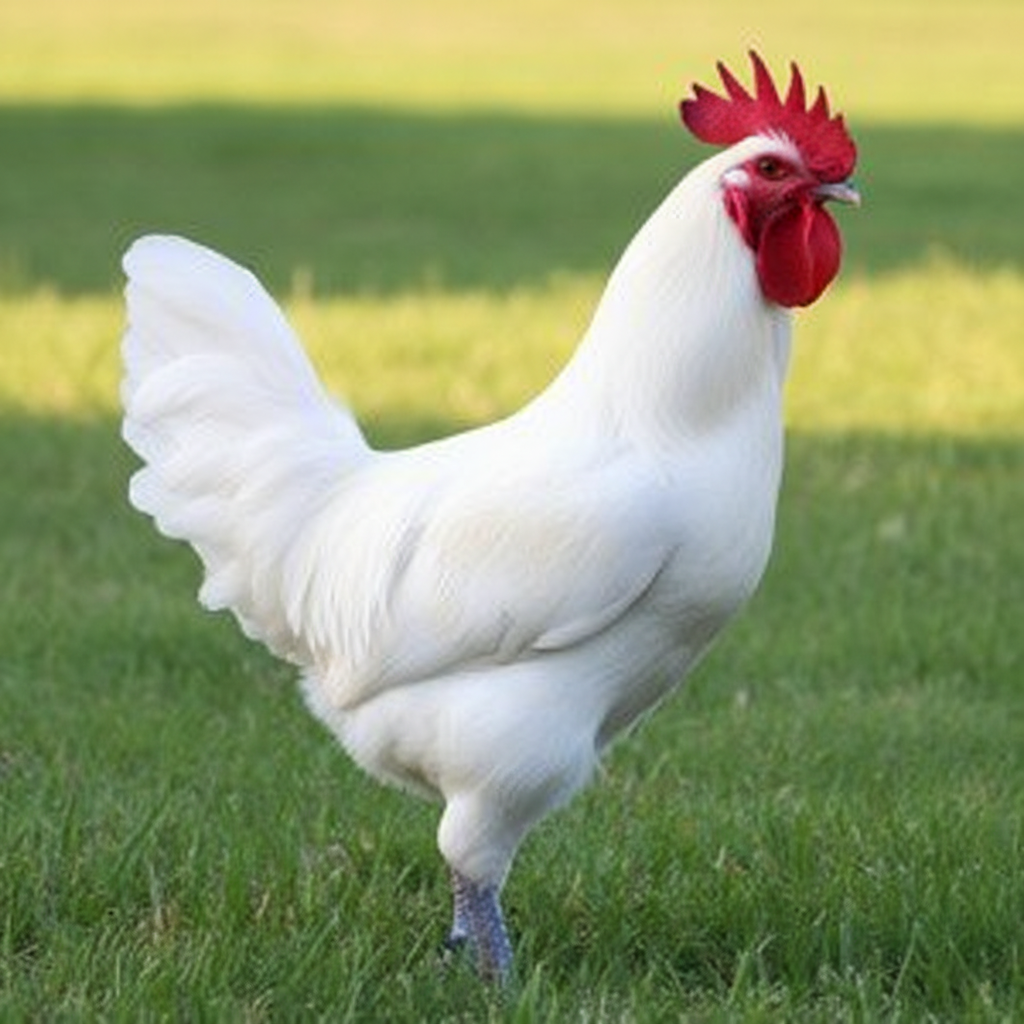
Bresse chickens feature striking blue legs and a white plumage, along with a unique red comb. Known for their friendly and docile temperament, they adapt well to backyard environments. This breed is particularly prized for its rich flavor and tenderness, making it a favorite among chefs. Bresse’s beauty and quality make them a standout in any flock.
History
The Bresse breed originates from the Bresse region of France and has a long history dating back to the 16th century. It was developed in the area and gained recognition for its high-quality meat. Bresse chickens were established as a distinct breed and celebrated for culinary excellence.
Care tips
Bresse chickens thrive in a well-managed environment with adequate space for foraging. They are generally hardy but benefit from protection against extreme weather. Keepers should provide nutritious feed to enhance the flavor of their meat. Regular health check-ups are advisable due to their popularity and value.
Fun facts
- Bresse is the only chicken breed with AOC status, indicating legal protection of its quality.
- Their meat is considered a delicacy, often referred to as ‘the king of chickens’.
- Bresse chickens are known for their friendly demeanor, making them great pets.
- The breed’s distinctive blue legs are a hallmark feature, easily recognized by enthusiasts.
What it is like to keep Bresse
The Bresse comes from the Bresse region of eastern France and is famous as a table bird. In France, poultry raised in the Bresse area under strict rules carries a protected name, and the birds are prized by chefs. The classic white Bresse looks like the French flag, with a red comb, white feathers and steel blue legs.
In the US, keepers raise Bresse lines descended from imported birds, often called American Bresse. They cannot use the French protected name for meat, but the breed itself is the same idea, a fast-growing heritage bird with fine meat.
Who they suit
- Homesteaders raising their own meat who want a heritage breed that grows faster than most.
- Keepers who want a dual-purpose bird that also lays well.
- Free range setups, since Bresse are active foragers.
They are not the best pick for keepers who want a very calm lap chicken, as many Bresse are active and a bit flighty.
Eggs and growth
Bresse hens are good layers of cream to lightly tinted eggs. For meat, they grow faster than most heritage breeds but slower than commercial Cornish Cross broilers. Many keepers raise them on pasture and finish them on a richer diet before processing, following the French tradition in a looser way.
Space and climate
Bresse do best with room to forage. In a run, give generous space to avoid boredom. Their single comb needs protection in very cold, damp weather. They handle moderate heat well if shade is available.
Compared with other meat breeds
The heritage Cornish is heavier and slower, and it lays poorly. The Delaware is an American dual-purpose choice that lays brown eggs. For a broader list, see the best breeds for meat.
Where to buy
Several US breeders and some hatcheries sell American Bresse. Prices are higher than for common dual-purpose breeds. Ask about growth rate and egg production in the breeder's line.
Common questions about Bresse chickens
Why do Bresse have blue legs?
Blue legs are a breed trait and part of the classic Bresse look.
Are Bresse good layers?
Yes. Hens lay a good number of cream to tinted eggs.
How fast do Bresse grow?
Faster than most heritage breeds, but much slower than commercial broilers.
